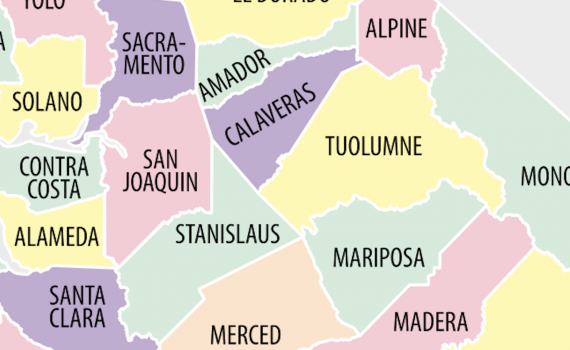
Subject: Simplex net Saturday May 2, 2020 AFTER EVENT LOG: VIEW WHO PARTICIPATED AND FROM WHERE UPDATED: The objective of the net would be to see who we could reliably contact on a simplex frequency. The simplex net would start at 1030 hours and use the simplex frequency of 147.540. We would collect call sign, name and location information. I would take the roll for Stanislaus County and log my contacts. We would next pass to San Joaquin County for their contacts, then to Calaveras, then to Tuolumne then to Mariposa and finally to Merced. After the net we could share the […]
ARES
15 posts
Links to every FEMA NIMS & ARRL on-line course of interest to ARES. If you get into this do the ARRL EC-016 last – or you might get discouraged & miss all of the good ones. As many of us are working from home or are spending more time at home here are a number of online courses you may take to expand your skills as emergency radio operators. Basic (read: must have)FEMAIS-100.c Introduction to the Incident Command System, ICS 100IS-200.c Basic Incident Command System for Initial ResponseIS-700.b An Introduction to the National Incident Management SystemIS-800.c National Response Framework, an Introduction ARRLEC-001 Introduction to Emergency Communication (guided and self-study […]
VIEW INSTRUCTIONS HERE TCARES MEMBERS REGISTER HERE Amateur Radio Emergency Service Transitioning to New Online Reporting System The Amateur Radio Emergency Service (ARES) will phase out the traditional ARES report forms later this year in favor of an online system called ARES Connect, a volunteer management, communications, and reporting system. The new system will allow information to be logged by ARES members and managed through the Field Organization. The advent of ARES Connect was among other highlights in “The Amateur Radio Emergency Service (ARES) 2017 Annual Report,” released this week. “ARES Connect is a volunteer management system that covers event signup, reporting, and roster management,” […]